

Female Infertility
Around 8-12% of couples worldwide are impacted by infertility.1 In 33-41% of these cases, the cause is female infertility.1
Infertility in women can be caused by numerous factors, the most important ones being diseases related to the reproductive system like polycystic ovary syndrome, endometriosis, uterine polyps, etc.2,4 Depending on the cause of infertility, treatments such as hormone therapy, induction of ovulation, superovulation, or assisted reproductive technologies (ART; such as in vitro fertilization or IVF) are available.4
But hormone therapy is associated with increased risk of breast cancer, while other methods can increase the risk of multiple pregnancies.4 But what happens when infertility is unexplained? How do you treat a problem without knowing the underlying cause of the problem?
Unexplained Female Infertility
Infertility in women means the inability to get pregnant (or maintain a pregnancy without miscarriage) after trying for at least a year (for women up to 35 years of age), or six months (for women over 35).3,4,5
Nearly 20% of infertility cases in the US are a result of unknown causes, also known as idiopathic infertility.5 This unexplained infertility could mainly occur because:
- the egg is unable to enter the fallopian tube due to a blockage,
- the embryo (fertilized egg) cannot move through the fallopian tube due to a blockage, or
- the embryo cannot attach itself onto the uterus.
Lipiodol Flushing: What Is It and How Does It Work
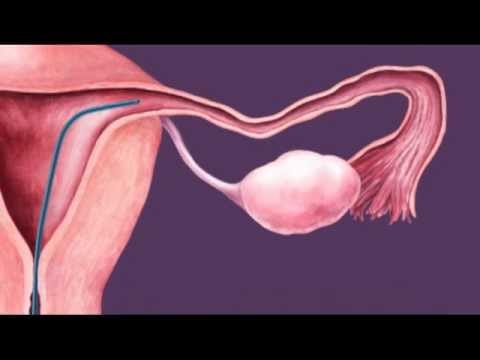
Lipiodol is a sterile form of iodized poppy seed oil.2,3,6 This oil-based dye is an alternative to regular contrast dyes that are used in reproductive imaging procedures like hysterosalpingography or HSG and has additional fertility-related benefits.2,3,6
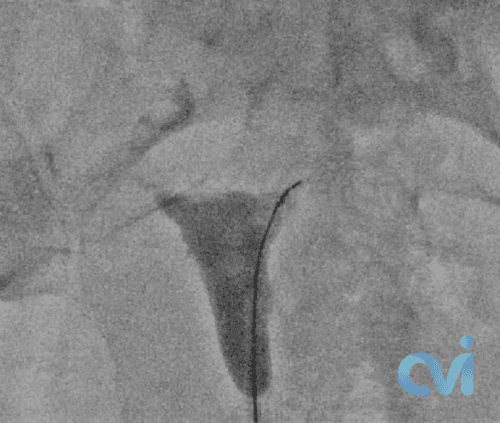
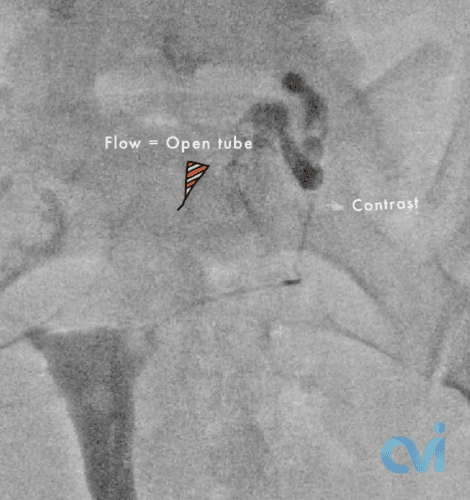
An HSG is a test that allows the doctor to visualize the uterus using regular contrast dyes and check if there is any blockage in the fallopian tubes. Flushing the uterus with Lipiodol has been found to be effective in helping treat unexplained infertility in women.3,6
Lipiodol tubal flushing has been suggested to flush out any debris blocking the fallopian tubes, thus increasing the chances of pregnancy.3 Another possible reason is that Lipiodol prevents the body’s immune cells like macrophages to damage sperms when they enter the fallopian tube.3 It is also suggested that Lipiodol flushing makes the uterus more prepared for embryo attachment, which improves the chances of maintaining pregnancy.3 Additionally, the contrast agent may help improve the overall health and function of the reproductive system by reducing pelvic inflammation and promoting healing.8
Lipiodol Tubal Flushing: Candidates
Potential candidates for Lipiodol tubal flushing include:
- Women with a prior HSG showing normal unblocked fallopian tubes who are experiencing infertility.6
- Women with endometriosis who are infertile.6
Endometriosis and Infertility
Lipiodol Tubal Flushing: Procedure
Lipiodol tubal flushing is a non-invasive outpatient procedure as an alternative to IVF.2,6 If successful patients avoid having to get IVF, which can cost over $10,000.
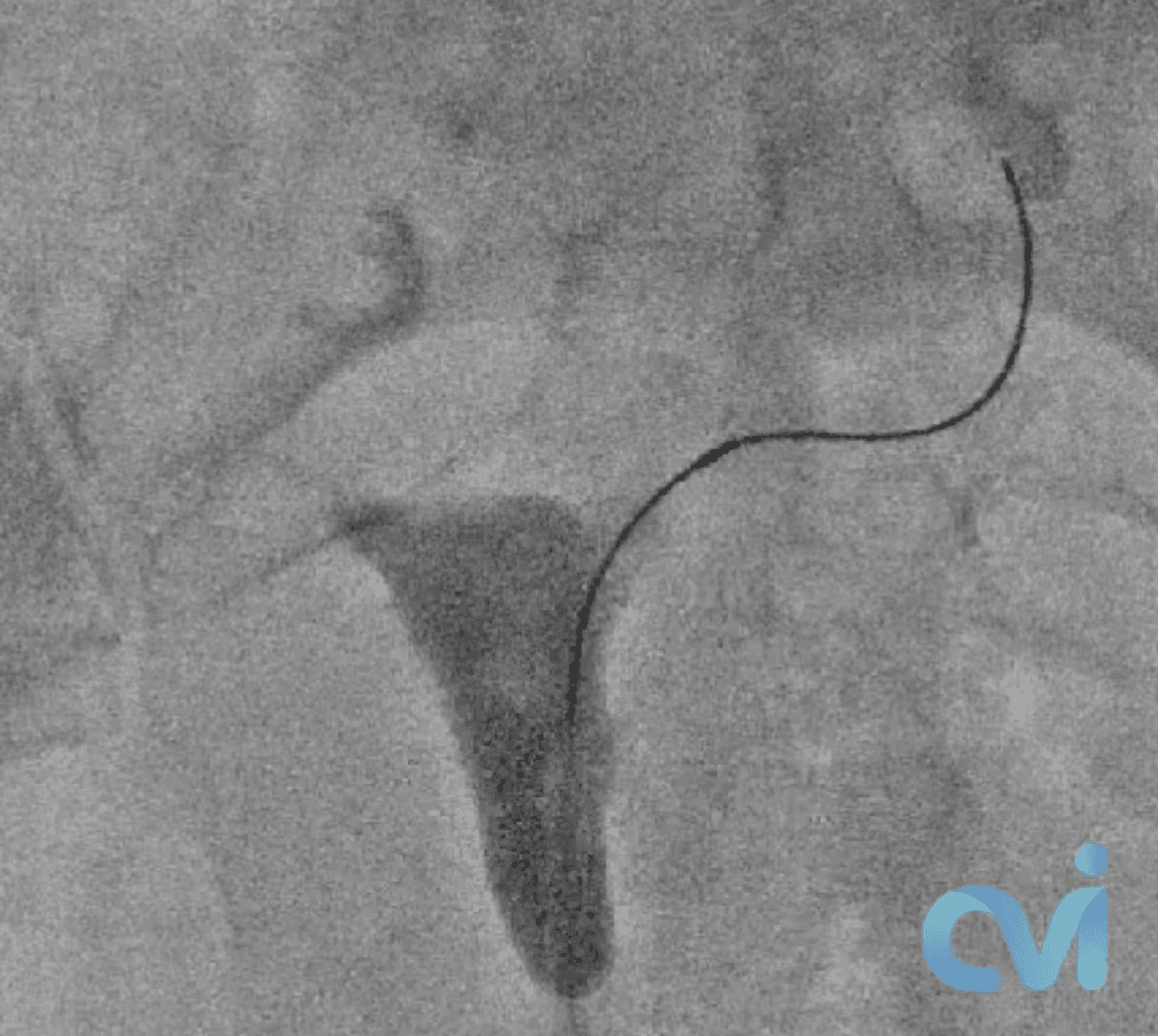
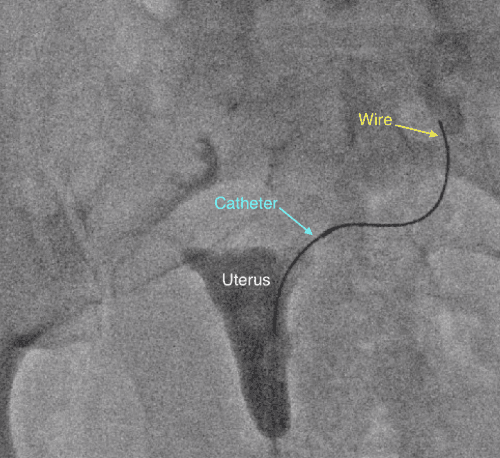
Patient will start an antibiotic two days prior to the procedure. At the start of the procedure a speculum is placed into the vagina and the cervix is cleaned with a sterile gauze. A small tube is then placed through the patient’s cervix followed by flushing of the uterus and fallopian tubes with the Lipiodol solution.6 The tube is then removed.
Patients may experience mild pain during the procedure, particularly when Lipiodol is introduced into the uterus.7 However, women who have undergone Lipiodol tubal flushing have reported significantly lower levels of procedure-related pain compared to flushing with other contrast dyes (such as water-based dyes).3
Lipiodol Tubal Flushing: Results
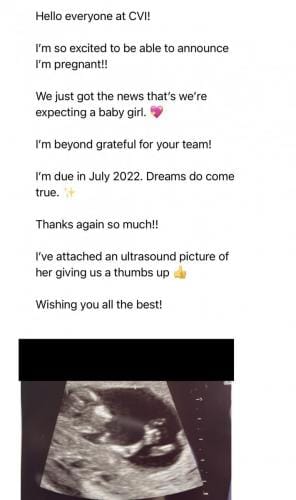
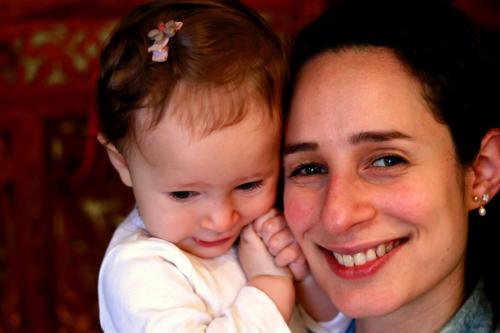
Lipiodol tubal flushing significantly increases the chances of pregnancy in women with unexplained infertility.3,6 Moreover, women with endometriosis are also more likely to get pregnant after Lipiodol tubal flushing.3,6 Overall, the results of multiple clinical trials indicate that 40-50% of the patients who undergo Lipiodol tubal flushing go on to achieve pregnancy and maintain it for a long term.7 In patients where Lipiodol tubal flushing alone does not help, using assisted reproductive technology, such as IVF, after Lipiodol flushing has been found to help achieve pregnancy.7
Lipiodol tubal flushing also offers many other additional benefits, as summarized below:
- The risk of complications associated with Lipiodol tubal flushing is quite low.3
- Allergic reactions or anaphylaxis have not been observed in clinical trials.7
- The risk of multiple pregnancies is also low compared to other infertility treatment methods such as IVF.3
However, it is important to note that the success of Lipiodol tubal flushing may vary depending on the specific cause of infertility and the individual patient’s condition.
Overall, Lipiodol tubal flushing is a simple, non-invasive, well-tolerated and effective method to treat unexplained female infertility as well as infertility due to endometriosis. If you are suffering from unexplained infertility or endometriosis-related infertility, contact us today to discuss Lipiodol tubal flushing as a treatment option.
Why Choose Our Specialist for Fallopian Tube Flushing?
Our doctor is an image-guided specialist having performed over 5,000 image-guided procedures. He not only performs fallopian tube flushing but also treats blocked fallopian tubes. Our staff is also highly experienced with patients in this setting who are looking to get pregnant.
We have a high success rate at CVI not only because our physician is expertly skilled but also because we provide the physician with the best tools needed to treat fallopian tubes. We have a long-standing relationship and purchase directly from the manufacturer of Lipiodol. You can rest assured that at CVI we do not cut corners and only purchase the best and highest quality tools that our specialist requires.
Appointments are available via an online video telehealth platform or in person at one of the offices in Los Angeles, Orange County or San Diego, depending on the doctor’s availability. Contact Us Today. Why should you choose us? Read here.
References:
- Saeed, Y. and Liu, X., 2022. Mesenchymal stem cells to treat female infertility; future perspective and challenges: A review. International Journal of Reproductive BioMedicine (IJRM), pp.709-722.
- https://www.guerbet.com/news/lipiodolr-ultra-fluid-indicated-hysterosalpingography-hsg-tubal-flushing-women-undergoing
- Johnson, N.P., 2005. A review of the use of Lipiodol flushing for unexplained infertility. Treatments in Endocrinology, 4, pp.233-243.
- Zhao, Y.X., Chen, S.R., Su, P.P., Huang, F.H., Shi, Y.C., Shi, Q.Y. and Lin, S., 2019. Using mesenchymal stem cells to treat female infertility: an update on female reproductive diseases. Stem Cells International, 2019.
- Mustafa, M., Sharifa, A.M., Hadi, J., IIIzam, E. and Aliya, S., 2019. Male and female infertility: causes, and management. IOSR Journal of Dental and Medical Sciences, 18, pp.27-32.
- .Johnson, N.P., Farquhar, C.M., Hadden, W.E., Suckling, J., Yu, Y. and Sadler, L., 2004. The FLUSH trial—flushing with Lipiodol for unexplained (and endometriosis-related) subfertility by hysterosalpingography: a randomized trial. Human Reproduction, 19(9), pp.2043-2051.
- Sekhon, J., Lee, E., Lo, G., Woolcock, J., Ramkrishnan, J., Menezes, M., Tan, S., Meagher, S. and Murphy, A., 2020. Lipiodol flush under ultrasound guidance in Australia. Australian and New Zealand Journal of Obstetrics and Gynaecology, 60(6), pp.965-969.
- Lindequist, S., Justesen, P., Larsen, C. and Rasmussen, F., 1991. Diagnostic quality and complications of hysterosalpingography: oil-versus water-soluble contrast media–a randomized prospective study. Radiology, 179(1), pp.69-74.
The above information explains what is involved and the possible risks. It is not meant to be a substitute for informed discussion between you and your doctor, but can act as a starting point for such a discussion.



Setup an appointment
Unexplained infertility? The answer may be a poppy-seed-oil flush.
When nothing seems wrong but pregnancy still isn’t happening, flushing the fallopian tubes with Lipiodol — a sterile iodized poppy seed oil — has been shown to significantly raise the odds of conceiving. In clinical trials, 40–50% of women go on to get pregnant,7 often avoiding IVF that can cost over $10,000.
Lipiodol flushing at a glance
Cost of IVF this may help you avoid
Lipiodol tubal flushing flushes the uterus and fallopian tubes with iodized poppy seed oil — an oil-based alternative to the water-based dye used in a standard HSG, with added fertility benefits. It’s thought to clear debris from the tubes, protect sperm from immune cells, and prime the uterus for embryo attachment.3 For unexplained and endometriosis-related infertility, multiple clinical trials show 40–50% of women conceive7 — a simple, non-invasive outpatient option that can help patients avoid IVF costing over $10,000, or improve the odds if IVF is later needed.
Female infertility — and when the cause is unknown
Around 8–12% of couples worldwide face infertility;1 in 33–41% of those cases the cause is female infertility1 — and nearly 20% of US cases have no known cause at all.5
Around 8-12% of couples worldwide are impacted by infertility.1 In 33-41% of these cases, the cause is female infertility.1
Infertility in women can be caused by numerous factors, the most important ones being diseases related to the reproductive system like polycystic ovary syndrome, endometriosis, uterine polyps, etc.2,4 Depending on the cause of infertility, treatments such as hormone therapy, induction of ovulation, superovulation, or assisted reproductive technologies (ART; such as in vitro fertilization or IVF) are available.4
But hormone therapy is associated with increased risk of breast cancer, while other methods can increase the risk of multiple pregnancies.4 But what happens when infertility is unexplained? How do you treat a problem without knowing the underlying cause of the problem?
Unexplained female infertility
Infertility in women means the inability to get pregnant (or maintain a pregnancy without miscarriage) after trying for at least a year (for women up to 35 years of age), or six months (for women over 35).3,4,5
Nearly 20% of infertility cases in the US are a result of unknown causes, also known as idiopathic infertility.5 This unexplained infertility could mainly occur because:
- The egg is unable to enter the fallopian tube due to a blockage,
- The embryo (fertilized egg) cannot move through the fallopian tube due to a blockage, or
- The embryo cannot attach itself onto the uterus.
What is Lipiodol flushing, and how does it work?
Lipiodol is a sterile iodized poppy seed oil — an oil-based dye that, when flushed through the tubes, has been found to help treat unexplained infertility.3,6
Lipiodol is a sterile form of iodized poppy seed oil.2,3,6 This oil-based dye is an alternative to regular contrast dyes that are used in reproductive imaging procedures like hysterosalpingography or HSG and has additional fertility-related benefits.2,3,6
An HSG is a test that allows the doctor to visualize the uterus using regular contrast dyes and check if there is any blockage in the fallopian tubes. Flushing the uterus with Lipiodol has been found to be effective in helping treat unexplained infertility in women.3,6
Lipiodol tubal flushing has been suggested to work in several ways:
- It may flush out any debris blocking the fallopian tubes, thus increasing the chances of pregnancy.3
- It may prevent the body's immune cells (macrophages) from damaging sperm when they enter the fallopian tube.3
- It may make the uterus more prepared for embryo attachment, improving the chances of maintaining pregnancy.3
- The contrast agent may improve the overall health and function of the reproductive system by reducing pelvic inflammation and promoting healing.8
Who is a candidate for Lipiodol tubal flushing?
If a prior HSG showed your tubes are open and normal but you still can't conceive — or if you have endometriosis-related infertility — you may be a candidate.6
Potential candidates for Lipiodol tubal flushing include:
- Women with a prior HSG showing normal unblocked fallopian tubes who are experiencing infertility.6
- Women with endometriosis who are infertile.6
Endometriosis and infertility
Women with endometriosis who are experiencing infertility can especially benefit from Lipiodol tubal flushing and have been shown to witness a significant improvement in fertility in various studies.3,6
What is the Lipiodol flushing procedure like?
A non-invasive outpatient procedure: antibiotics two days before, then a small tube through the cervix flushes the tubes with Lipiodol — no incisions, no anesthesia.2,6
Antibiotic two days before
Speculum & cervical prep
Small tube through the cervix
Flush with Lipiodol, then remove
Lipiodol tubal flushing is a non-invasive outpatient procedure as an alternative to IVF.2,6 If successful, patients avoid having to get IVF, which can cost over $10,000. Patients start an antibiotic two days prior to the procedure. At the start of the procedure a speculum is placed into the vagina and the cervix is cleaned with a sterile gauze. A small tube is then placed through the patient’s cervix, followed by flushing of the uterus and fallopian tubes with the Lipiodol solution.6 The tube is then removed.
About discomfort: Patients may experience mild pain during the procedure, particularly when Lipiodol is introduced into the uterus.7 However, women who have undergone Lipiodol tubal flushing have reported significantly lower levels of procedure-related pain compared to flushing with water-based dyes.3
What are the results of Lipiodol tubal flushing?
Multiple clinical trials show 40–50% of women conceive and carry to term after Lipiodol tubal flushing7 — with women who have endometriosis also more likely to get pregnant.3,6
Lipiodol tubal flushing significantly increases the chances of pregnancy in women with unexplained infertility.3,6 Moreover, women with endometriosis are also more likely to get pregnant after Lipiodol tubal flushing.3,6 Overall, the results of multiple clinical trials indicate that 40-50% of the patients who undergo Lipiodol tubal flushing go on to achieve pregnancy and maintain it for a long term.7 In patients where Lipiodol tubal flushing alone does not help, using assisted reproductive technology, such as IVF, after Lipiodol flushing has been found to help achieve pregnancy.7
Additional benefits
- The risk of complications associated with Lipiodol tubal flushing is quite low.3
- Allergic reactions or anaphylaxis have not been observed in clinical trials.7
- The risk of multiple pregnancies is low compared to other infertility treatment methods such as IVF.3
However, it is important to note that the success of Lipiodol tubal flushing may vary depending on the specific cause of infertility and the individual patient’s condition.
Overall, Lipiodol tubal flushing is a simple, non-invasive, well-tolerated and effective method to treat unexplained female infertility as well as infertility due to endometriosis. If you are suffering from unexplained infertility or endometriosis-related infertility, contact us today to discuss Lipiodol tubal flushing as a treatment option.
Lipiodol flushing vs. jumping straight to IVF
For the right candidate, Lipiodol flushing is a simpler, lower-cost first step — and even when it isn't enough on its own, it can improve the odds of a later IVF cycle.7
Lipiodol Tubal Flushing
- Non-invasive outpatient procedure
- 40–50% go on to conceive in trials 7
- May avoid IVF costing over $10,000
- Low complication risk; no anaphylaxis in trials 7
- Low risk of multiple pregnancies 3
- Less pain than water-based dye flushing 3
IVF & Hormone Therapy
- IVF can cost over $10,000 per cycle
- Hormone therapy linked to increased breast cancer risk 4
- Higher risk of multiple pregnancies4
- More involved, multi-step process
- Still an option after flushing — often with better odds 7
Experience that treats the whole picture — flushing and blocked tubes
Our doctor is an image-guided specialist with over 5,000 procedures who not only performs Lipiodol flushing but also treats blocked fallopian tubes — so if imaging reveals a blockage, you're already with the specialist who can address it.
Our doctor is an image-guided specialist having performed over 5,000 image-guided procedures. He not only performs fallopian tube flushing but also treats blocked fallopian tubes. Our staff is also highly experienced with patients in this setting who are looking to get pregnant.
It matters who holds the wire
Flushing and blocked tubes — one specialist
He performs both Lipiodol flushing and fallopian tube recanalization, so a blockage found on imaging can be treated by the same expert.
Over 5,000 image-guided procedures
Lipiodol direct from the manufacturer
Staff who understand this journey
Request an Appointment
Please note that although we strive to protect and secure our online communications, and use the security measures detailed in our Privacy Policy to protect your information, no data transmitted over the Internet can be guaranteed to be completely secure and no security measures are perfect or impenetrable. If you would like to transmit sensitive information to us, please contact us, without including the sensitive information, to arrange a more secure means of communication. By submitting this form you consent to receive text messages from CVI at the number provided. Msg & data rates may apply. Msg frequency varies. Unsubscribe at any time by replying STOP.
Who performs your Lipiodol flushing?
At California Vascular & Interventional, your Lipiodol tubal flushing is performed by Dr. Atabak Allaei — a board-certified Interventional Radiologist and image-guided specialist who performs both fallopian tube flushing and recanalization for blocked tubes.
It matters who holds the wire. Guiding a catheter through the cervix and controlling the flush while reading real-time imaging takes a delicate, practiced hand. That level of catheter-and-wire skill is part rigorous training and part innate talent — a steadiness of hand and an ability to visualize the end result that can’t simply be taught.
Atabak Allaei, MD
An image-guided specialist with over 5,000 procedures, Dr. Allaei performs both Lipiodol tubal flushing and fallopian tube recanalization, supported by staff highly experienced in caring for patients trying to conceive. The practice purchases Lipiodol directly from the manufacturer and provides only the highest-quality tools. Consultations by telehealth or in person in Los Angeles, Orange County, and San Diego.
Lipiodol tubal flushing: common questions
What is Lipiodol tubal flushing?
Lipiodol is a sterile form of iodized poppy seed oil. This oil-based dye is an alternative to the regular contrast dyes used in reproductive imaging procedures like hysterosalpingography (HSG), and it has additional fertility-related benefits. Flushing the uterus and fallopian tubes with Lipiodol has been found to be effective in helping treat unexplained infertility in women.
How does Lipiodol flushing improve fertility?
Several mechanisms have been suggested: it may flush out debris blocking the fallopian tubes; it may prevent immune cells (macrophages) from damaging sperm in the fallopian tube; it may prepare the uterus for embryo attachment; and the contrast agent may improve reproductive health by reducing pelvic inflammation and promoting healing.
Who is a candidate for Lipiodol tubal flushing?
Candidates include women with a prior HSG showing normal, unblocked fallopian tubes who are experiencing infertility, and women with endometriosis who are infertile. Women with endometriosis-related infertility can especially benefit and have shown significant improvement in fertility in various studies. Success may vary depending on the specific cause of infertility and the individual patient’s condition.
How is the procedure performed and does it hurt?
It’s a non-invasive outpatient procedure. The patient starts an antibiotic two days prior. A speculum is placed into the vagina and the cervix is cleaned with sterile gauze; a small tube is then placed through the cervix, the uterus and fallopian tubes are flushed with the Lipiodol solution, and the tube is removed. Patients may experience mild pain when Lipiodol is introduced into the uterus, but report significantly lower procedure-related pain than with water-based dyes.
How effective is Lipiodol tubal flushing?
Lipiodol tubal flushing significantly increases the chance of pregnancy in women with unexplained infertility, and women with endometriosis are also more likely to get pregnant afterward. Overall, multiple clinical trials indicate that 40–50% of patients who undergo Lipiodol tubal flushing go on to achieve and maintain pregnancy long term. Where flushing alone does not help, using IVF afterward has been found to help achieve pregnancy.
Is Lipiodol flushing an alternative to IVF?
It’s a non-invasive outpatient procedure that can serve as an alternative to IVF. If successful, patients avoid having to get IVF, which can cost over $10,000. It’s a simple, well-tolerated, and effective method for unexplained and endometriosis-related infertility — and even when not sufficient on its own, it may improve the chance that a later IVF cycle succeeds.
Is Lipiodol tubal flushing safe?
The risk of complications is quite low. Allergic reactions or anaphylaxis have not been observed in clinical trials. The risk of multiple pregnancies is low compared to other infertility treatments such as IVF. It’s considered a simple, non-invasive, well-tolerated and effective treatment, though success may vary with the specific cause of infertility.
Why choose California Vascular & Interventional for Lipiodol flushing?
The procedure is performed by an image-guided specialist who has completed over 5,000 image-guided procedures and performs both Lipiodol tubal flushing and fallopian tube recanalization for blocked tubes, with staff highly experienced in caring for patients trying to conceive. The practice has a long-standing relationship purchasing Lipiodol directly from the manufacturer and provides only the highest-quality tools. Consultations are available by telehealth or in person in Los Angeles, Orange County, and San Diego.
References:
- Saeed Y, Liu X. Mesenchymal stem cells to treat female infertility; future perspective and challenges: A review. International Journal of Reproductive BioMedicine (IJRM). 2022;20(9):709-722.
- Guerbet. Lipiodol® Ultra Fluid indicated in hysterosalpingography (HSG) / tubal flushing in women undergoing infertility work-up.Link
- Johnson NP. A review of the use of Lipiodol flushing for unexplained infertility. Treatments in Endocrinology. 2005;4(4):233-243.
- Zhao YX, Chen SR, Su PP, Huang FH, Shi YC, Shi QY, Lin S. Using mesenchymal stem cells to treat female infertility: an update on female reproductive diseases. Stem Cells International. 2019;2019:9071720.
- Mustafa M, Sharifa AM, Hadi J, IIIzam E, Aliya S. Male and female infertility: causes, and management. IOSR Journal of Dental and Medical Sciences. 2019;18(9):27-32.
- Johnson NP, Farquhar CM, Hadden WE, Suckling J, Yu Y, Sadler L. The FLUSH trial — flushing with Lipiodol for unexplained (and endometriosis-related) subfertility by hysterosalpingography: a randomized trial. Human Reproduction. 2004;19(9):2043-2051.
- Sekhon J, Lee E, Lo G, Woolcock J, Ramkrishnan J, Menezes M, Tan S, Meagher S, Murphy A. Lipiodol flush under ultrasound guidance in Australia. Australian and New Zealand Journal of Obstetrics and Gynaecology. 2020;60(6):965-969.
- Lindequist S, Justesen P, Larsen C, Rasmussen F. Diagnostic quality and complications of hysterosalpingography: oil- versus water-soluble contrast media — a randomized prospective study. Radiology. 1991;179(1):69-74.
The above information explains what is involved and the possible risks. It is not meant to be a substitute for informed discussion between you and your doctor, but can act as a starting point for such a discussion. Outcomes such as the 40–50% pregnancy figure reflect published clinical-trial findings; individual results vary with the cause of infertility and the individual patient’s condition. Always consult a qualified healthcare provider regarding any medical condition or treatment decision.
Explore related treatments
Fallopian Tube Recanalization
HSG Study / Test
Uterine Fibroid Embolization
Pelvic Congestion Syndrome
All Women's Health
Meet Our Specialist
Before IVF, ask about a simpler step
If your tubes are open but pregnancy still isn’t happening — or if endometriosis is part of your story — Lipiodol tubal flushing may raise your odds without the cost and complexity of IVF. Request a consultation with our specialist, by telehealth or in person in Los Angeles, Orange County or San Diego.